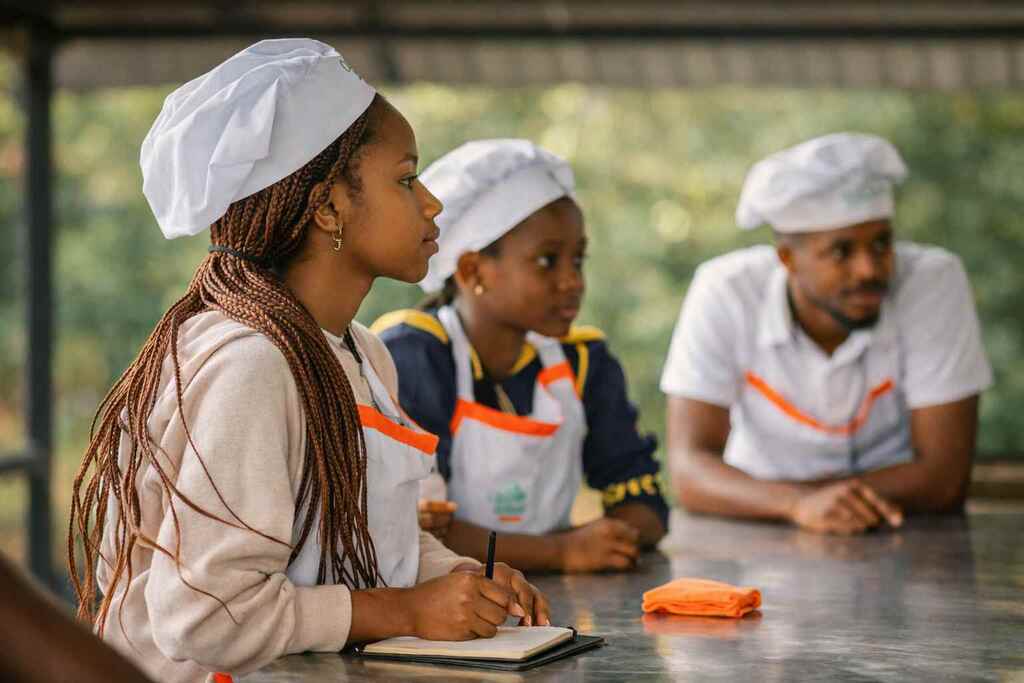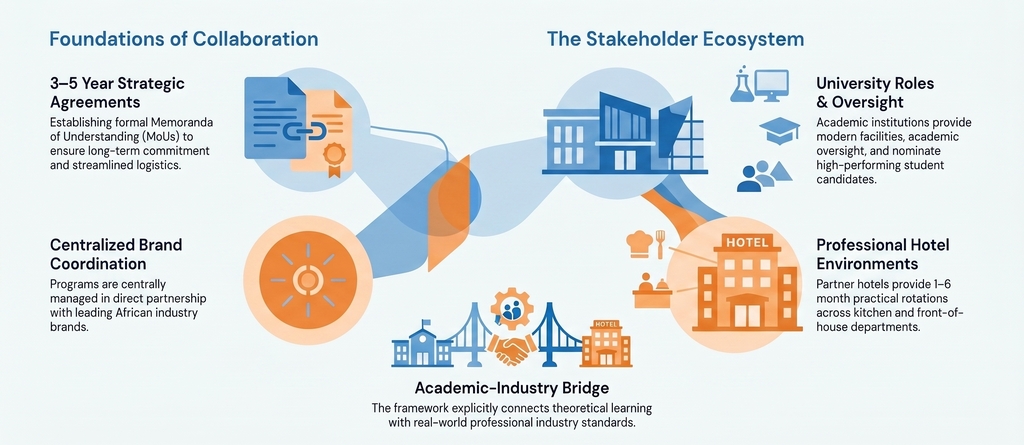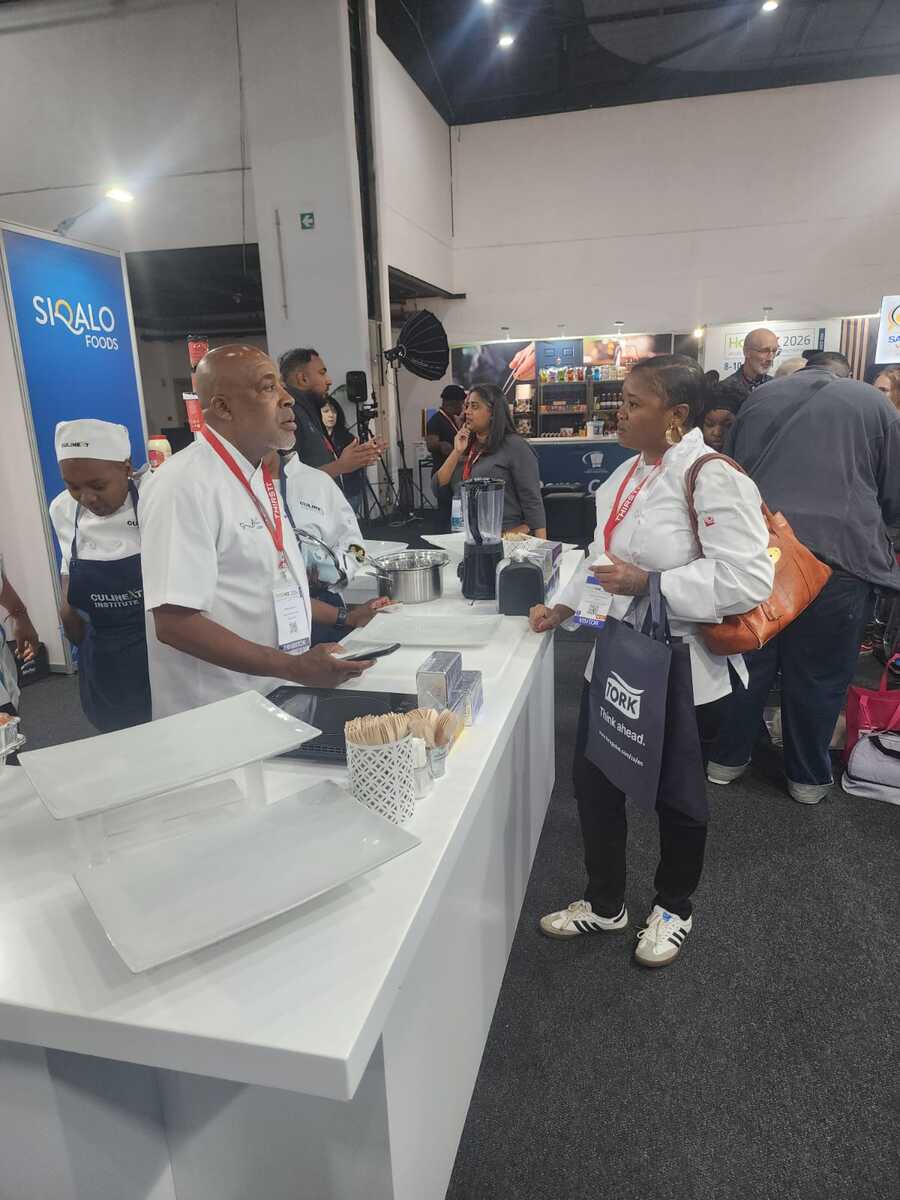
At the heart of the organization is a comprehensive 12-month programme cycle designed to align local talent with global hospitality standards. This service includes practical training environments where students undergo rotations across various kitchen departments and front-of-house operations for periods of one to six months.

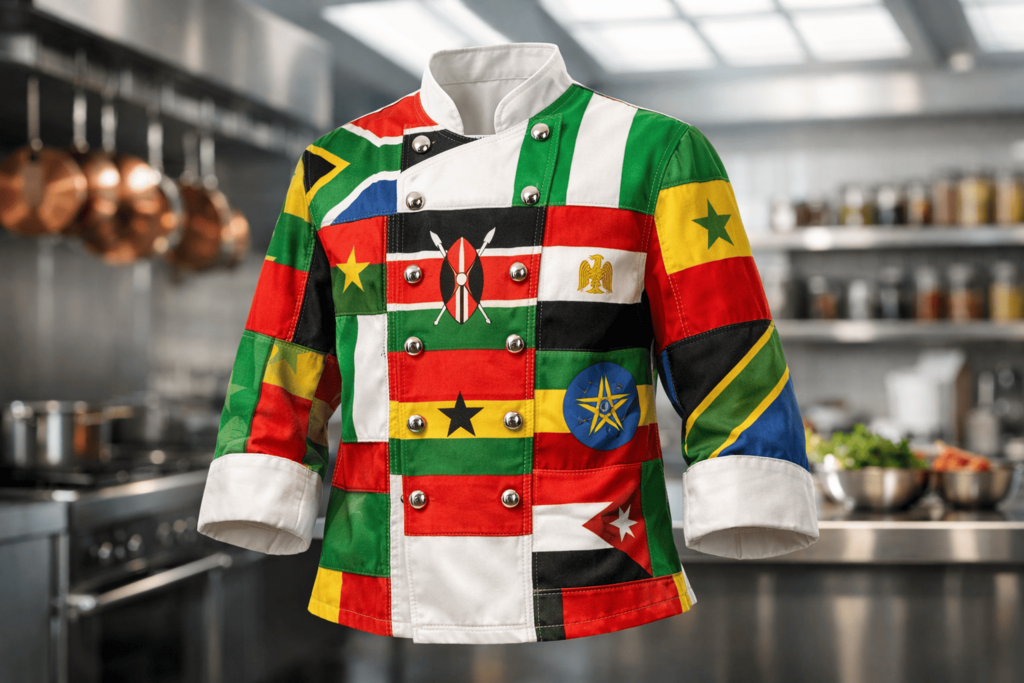
This Pan-African initiative facilitates cross-border exchanges among eight nations, including South Africa, Kenya, Botswana, Ghana, Lesotho, Seychelles, Mauritius, and Namibia. The program allows students to overcome barriers such as limited access to mentorship and modern facilities by gaining international experience and exposure to diverse culinary cultures.

These are skill-based workshops that form a core part of the training curriculum. The sessions specifically emphasise African fusion and sustainability, celebrating the continent's rich culinary heritage while integrating modern techniques and global standards of excellence.

Thuto Africa works to bridge the divide between academic learning and professional practice. In collaboration with leading institutions like the Central University of Technology (CUT), they provide academic oversight to ensure that culinary education remains relevant to the needs of the modern hospitality sector.

The organization operates through a structured collaborative model that unites academic institutions, industry leaders, and government bodies. They establish long-term Strategic Partnership Frameworks—often through 3–5 year Memoranda of Understanding (MoUs)—with host hotels, tourism departments, and African chefs’ associations to ensure a sustainable and unified approach to culinary development.